
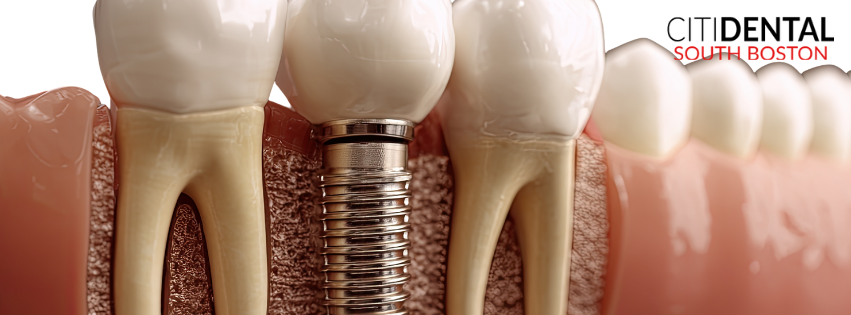
Dental implants have become one of the most reliable solutions for replacing missing teeth, with high success rates when placed properly and maintained well. While factors like bone quality, surgical technique, and oral hygiene play major roles, there has been growing interest in how overall health and nutrition can influence implant outcomes. One nutrient that often comes up in this conversation is vitamin D.
Vitamin D is Essential for Bone Health
Vitamin D helps the body absorb calcium and supports bone remodeling and strength. Since dental implants rely on the jawbone to fuse with the implant surface in a process called osseointegration, it makes sense that adequate vitamin D levels could support this healing process.
Several studies have suggested a link between low vitamin D levels and slower bone healing or increased risk of implant complications. While vitamin D alone does not determine implant success, it appears to be one of several factors that can influence how well the bone responds during the healing phase. Patients who are deficient in vitamin D may experience delayed integration or less optimal bone support around the implant.
Immune Function and Infection Control
A healthy immune response is important after implant surgery to reduce the risk of infection and support proper tissue healing. By helping regulate inflammation and support immune health, vitamin D may contribute to a smoother recovery process.
That said, vitamin D is not a substitute for good surgical planning or proper oral care. Even with ideal vitamin levels, implants can fail if there is poor bone quality, uncontrolled gum disease, smoking, or inadequate hygiene. Implant success is always the result of multiple factors working together.
For patients considering implants, it can be helpful to look at overall health as part of the preparation process. Some dental professionals may recommend blood tests to evaluate vitamin D levels, especially for patients with known deficiencies, osteoporosis, or conditions that affect nutrient absorption. If levels are low, supplementation under medical guidance may be suggested.
It is also beneficial to maintain a balanced diet that includes vitamin D rich foods such as fatty fish, fortified dairy products, and eggs, along with safe sun exposure when appropriate.
While research continues to explore the exact role of vitamin D in implant outcomes, there is growing evidence that adequate levels support bone health and healing. Supporting the body nutritionally is another way patients can improve their chances of long term implant success alongside good oral hygiene and regular dental care.
Vitamin D may not guarantee implant success, but it appears to be an important piece of the overall health puzzle that can contribute positively to healing and stability.