
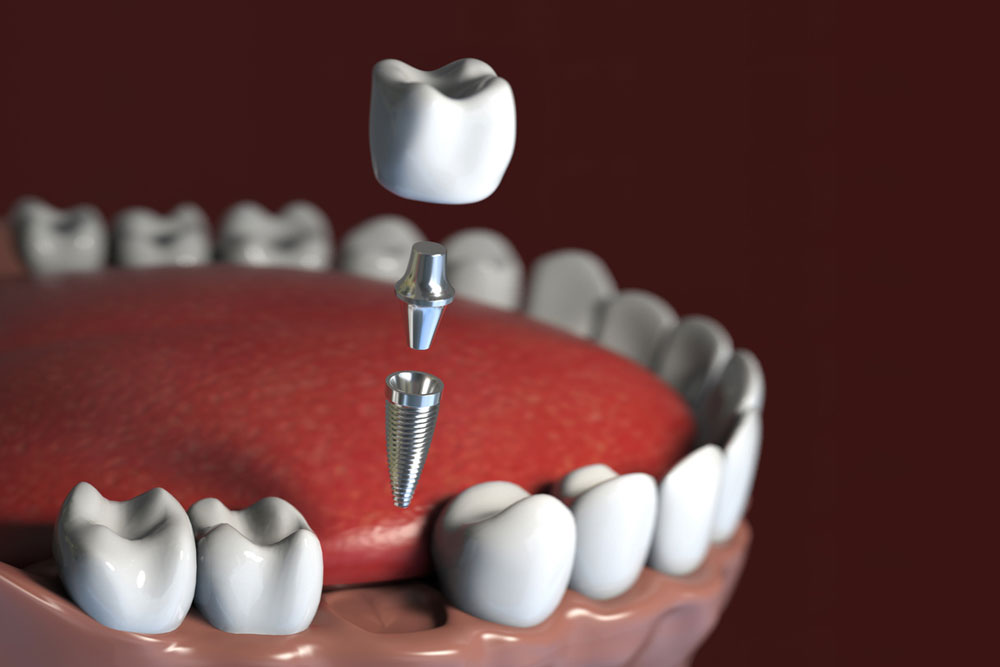
Dental implants are a reliable and long lasting solution for replacing missing teeth, but their success depends heavily on how well they are cared for, especially after placement. While implants are designed to function like natural teeth, certain habits can interfere with healing or compromise their longevity. Avoiding these common behaviors can help protect your investment and support long term success.
Chewing on Hard or Inappropriate Objects
During the healing phase, the implant needs time to integrate with the jawbone. Biting down on ice, hard candy, or non food items like pens places unnecessary stress on the implant and surrounding bone. Even after healing, excessive force can damage the crown or the components that support it. Patients are often surprised to learn how much pressure these habits can create.
Neglecting Oral Hygiene
Another habit that can negatively affect implants is neglecting oral hygiene around the implant site. While implants themselves cannot decay, the surrounding gum tissue and bone are still vulnerable to infection. Plaque buildup around an implant can lead to peri implant disease, which is similar to gum disease and can result in bone loss. Brushing, flossing, and using any recommended cleaning tools are essential for keeping the area healthy. Skipping routine care can undo otherwise successful treatment.
Smoking with Implants
Smoking is one of the most significant risk factors for implant complications. Tobacco use restricts blood flow and slows healing, which can interfere with proper integration of the implant. Smokers also face a higher risk of infection and implant failure over time. Even reducing smoking during the healing phase can make a meaningful difference, and many patients choose to quit altogether after implant treatment.
Skipping Follow-up Dental Visits
It is also important to avoid skipping follow up visits. Dental implants require monitoring, particularly in the first year. These appointments allow the dentist to evaluate healing, check bite alignment, and identify early warning signs before they become serious. Patients who assume implants do not need maintenance often miss opportunities to protect them.
Dental implants can last for decades with proper care, but success is not automatic. Avoiding harmful habits, maintaining good oral hygiene, and staying engaged in follow up care all play a role. With thoughtful attention, implants can remain a stable and comfortable part of a healthy smile for many years.