
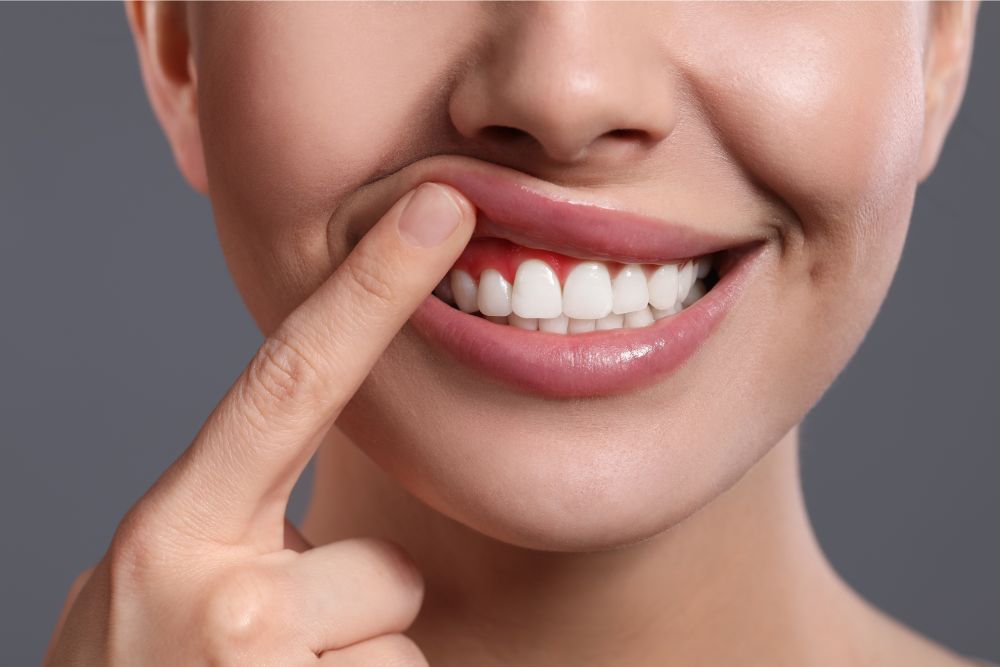
As we move into 2026, many people are thinking about health goals they want to maintain long term. Oral health often gets overlooked, even though it plays a major role in overall wellness. Protecting your smile does not require drastic changes, but it does benefit from consistent habits and a proactive mindset. These smile saving tips can help patients stay ahead of common dental problems and maintain strong, healthy teeth throughout the year.
Make Routine Dental Visits and Exams
One of the most effective ways to protect your smile is to stay consistent with routine dental visits. Regular exams and cleanings allow issues like early decay, gum inflammation, or worn restorations to be identified before they become more complicated. Even patients who feel no discomfort can benefit from professional monitoring. Small concerns are much easier to manage when they are addressed early.
Manage Your Daily Oral Hygiene Habits
Daily oral hygiene habits also deserve renewed attention. Brushing twice a day and flossing once daily remains the foundation of a healthy mouth, but technique matters just as much as frequency. Using a soft bristled toothbrush, brushing for a full two minutes, and cleaning along the gumline can make a noticeable difference. Many patients also benefit from switching to an electric toothbrush, which can help improve plaque removal when used properly.
Make Adjustments to Your Diet
Diet is another area where small adjustments can have a big impact. Frequent snacking, especially on sugary or starchy foods, increases the risk of cavities. Spacing out meals and choosing water instead of sweetened beverages helps reduce acid exposure on the teeth. Foods rich in calcium and protein can also support enamel strength and gum health.
Managing stress is an often overlooked factor in oral health. Teeth grinding and jaw clenching have become more common, particularly among adults with busy schedules. Over time, this can lead to cracked teeth, worn enamel, and jaw discomfort. Being mindful of stress levels and addressing symptoms early can help preserve the bite and prevent damage.
In addition, staying informed about your own dental history is helpful. Understanding which teeth have restorations, which areas are more prone to decay, and how long existing work has been in place allows for better planning. Open communication with your dental team ensures that care decisions are thoughtful rather than reactive.
A healthy smile in 2026 is less about perfection and more about consistency. With steady habits and regular professional care, patients can protect their smiles and avoid unnecessary complications.